
Introduction
LED selection in electronics is not just about “which color looks good.”
In real products—especially IoT devices—LED choice affects:
- PCB design
- Assembly method
- Power consumption
- Product cost
- User experience
This guide covers what actually matters in practice:
types, sizes, electrical behavior, and cost implications.
1. Types of LEDs: Through-Hole vs SMD
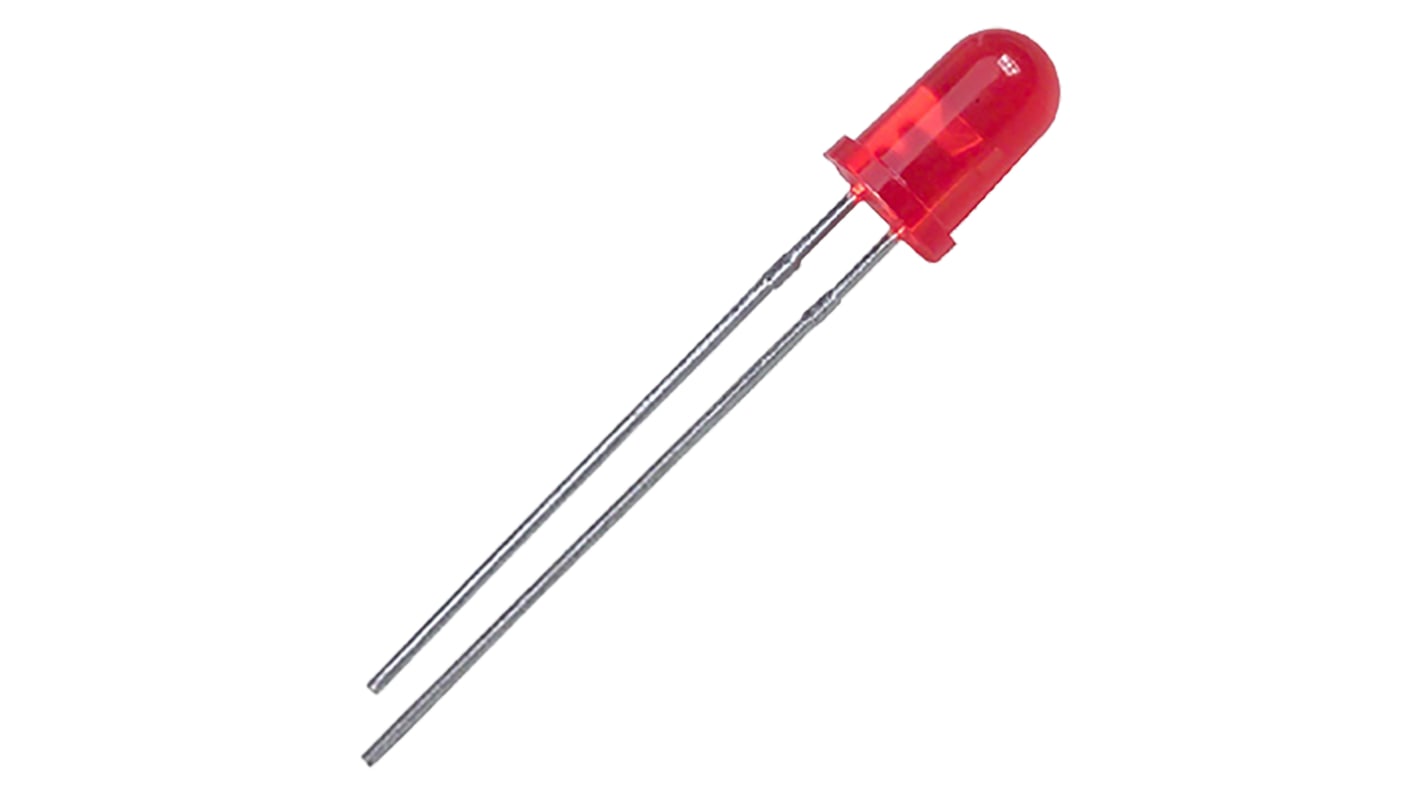
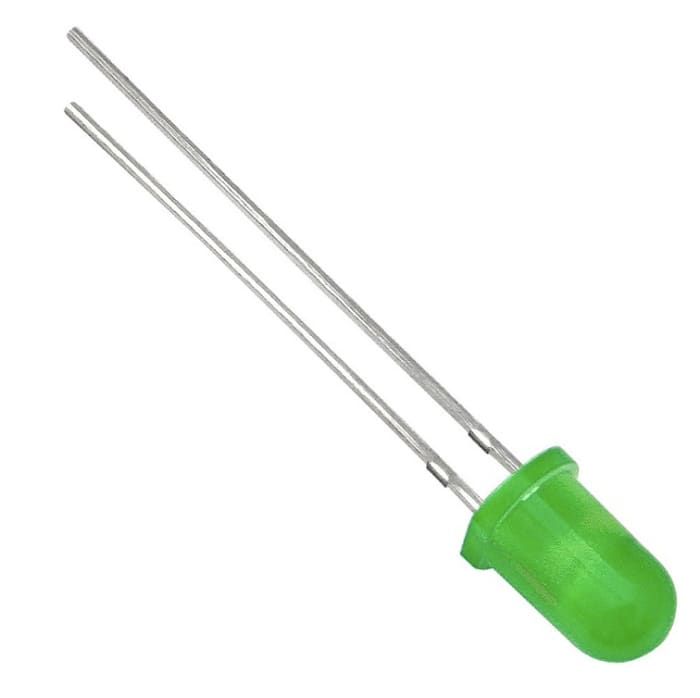
Through-Hole LEDs (THT)
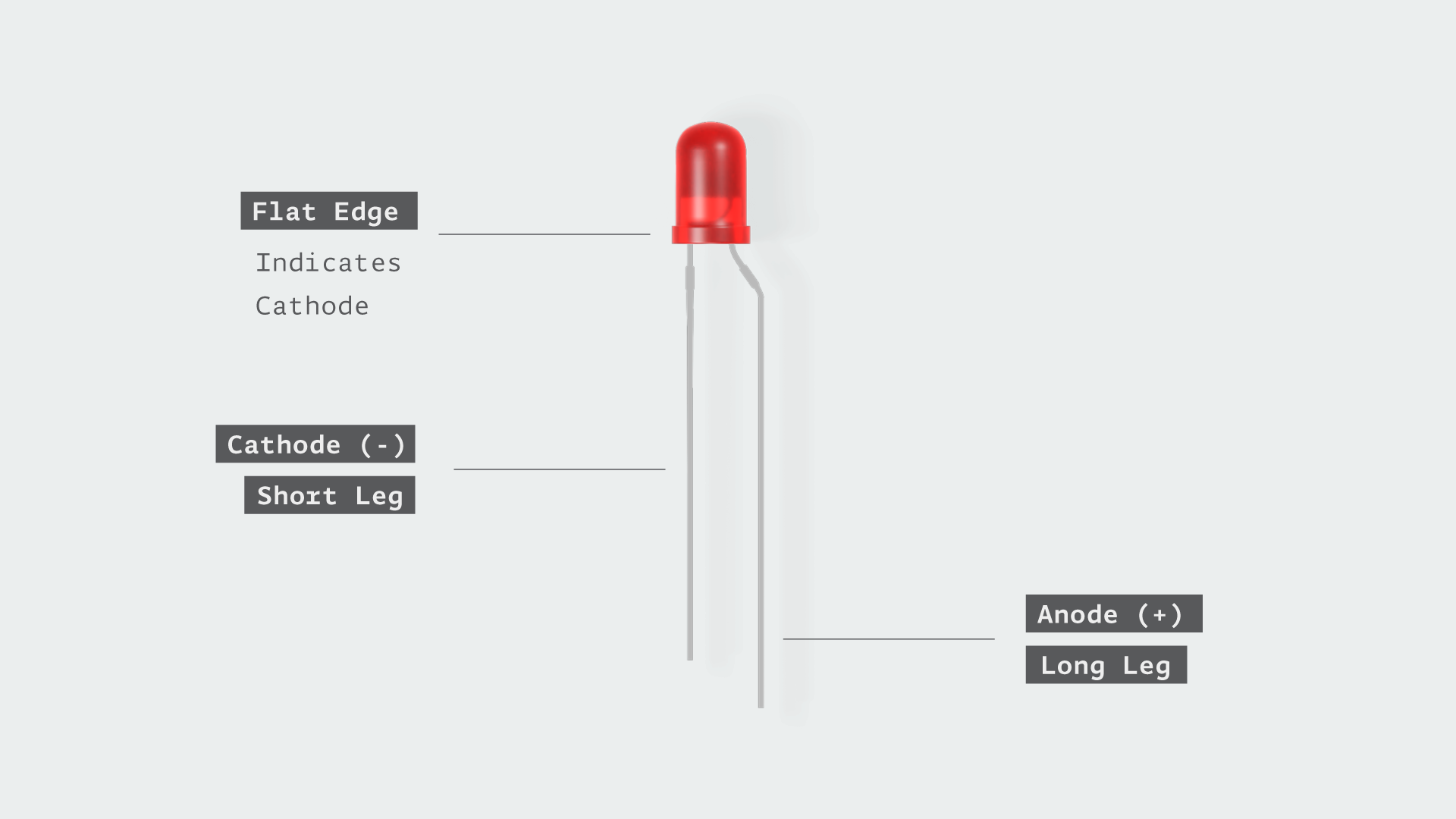
4
Key Characteristics
- Long metal leads (inserted into PCB holes)
- Common sizes: 3mm, 5mm, 8mm
- Easy to handle and solder manually
Where They Are Used
- Prototyping
- Industrial panels
- Low-volume production
- Visible indicators on enclosures
Advantages
- Strong mechanical hold
- Easy replacement
- No complex assembly required
Limitations
- Not space-efficient
- Slower for mass production
- Higher assembly cost (manual or wave soldering)
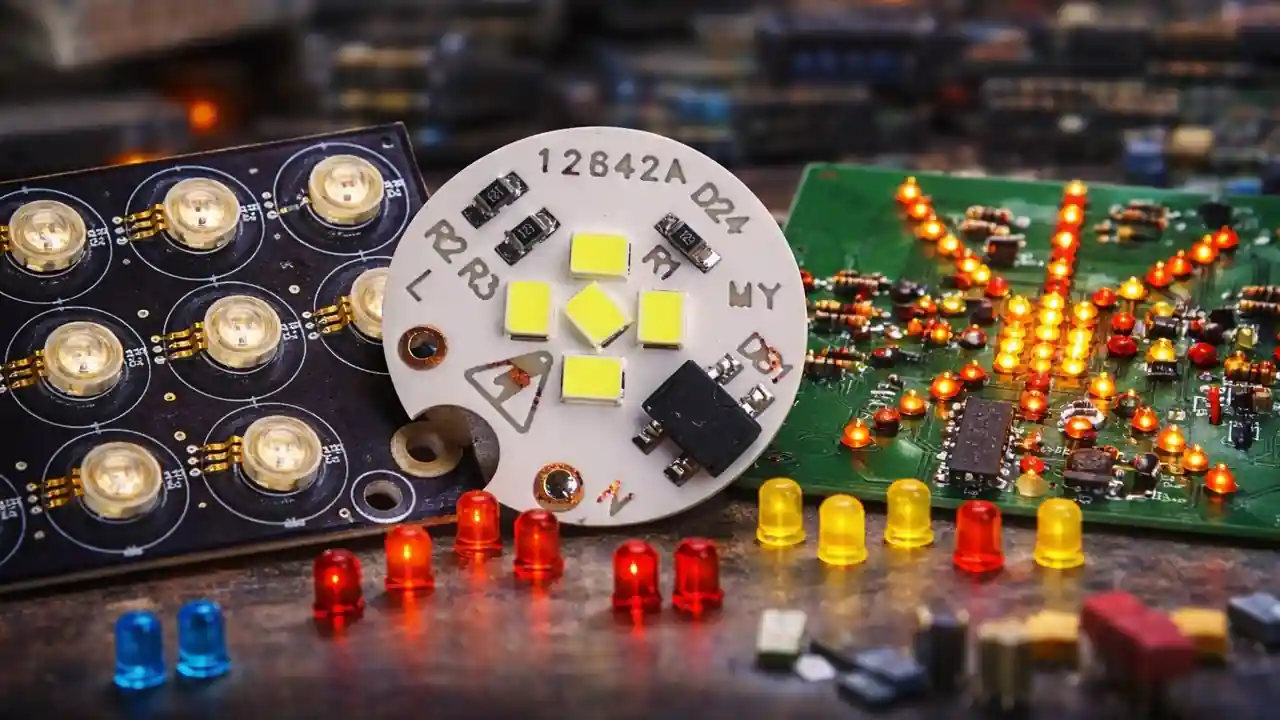
SMD LEDs (Surface Mount Devices)

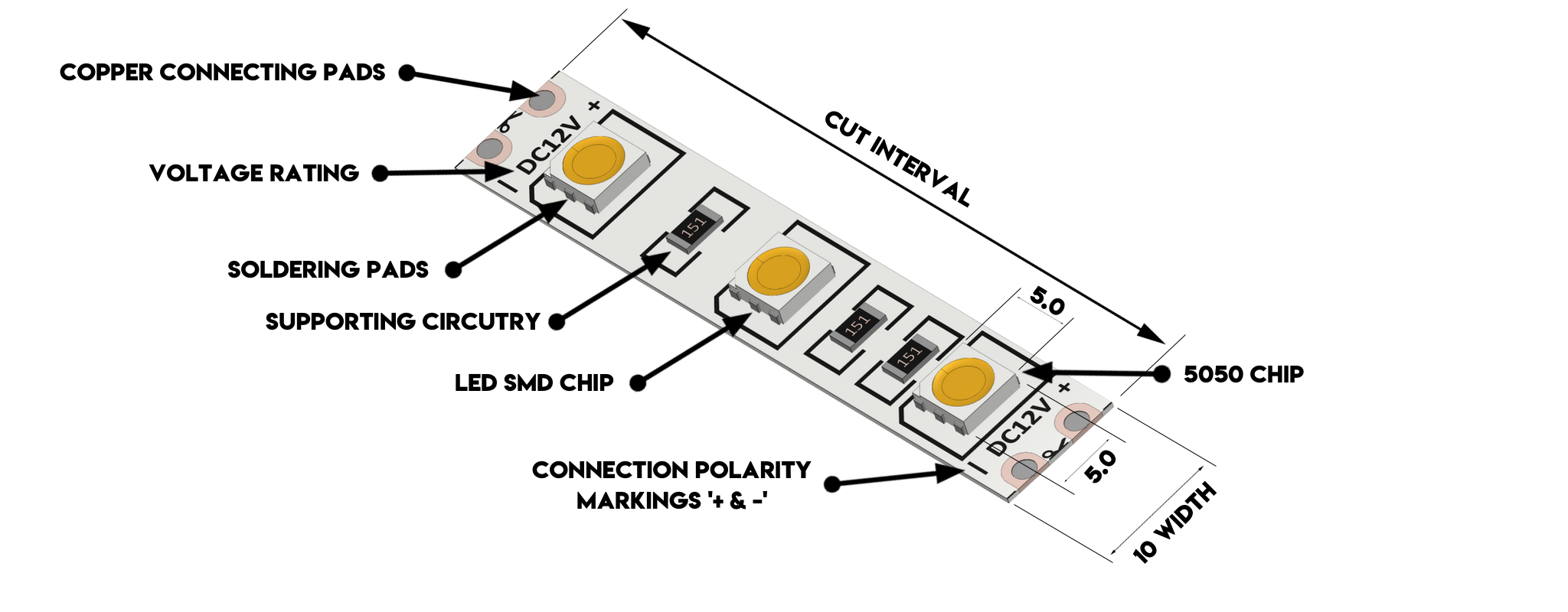
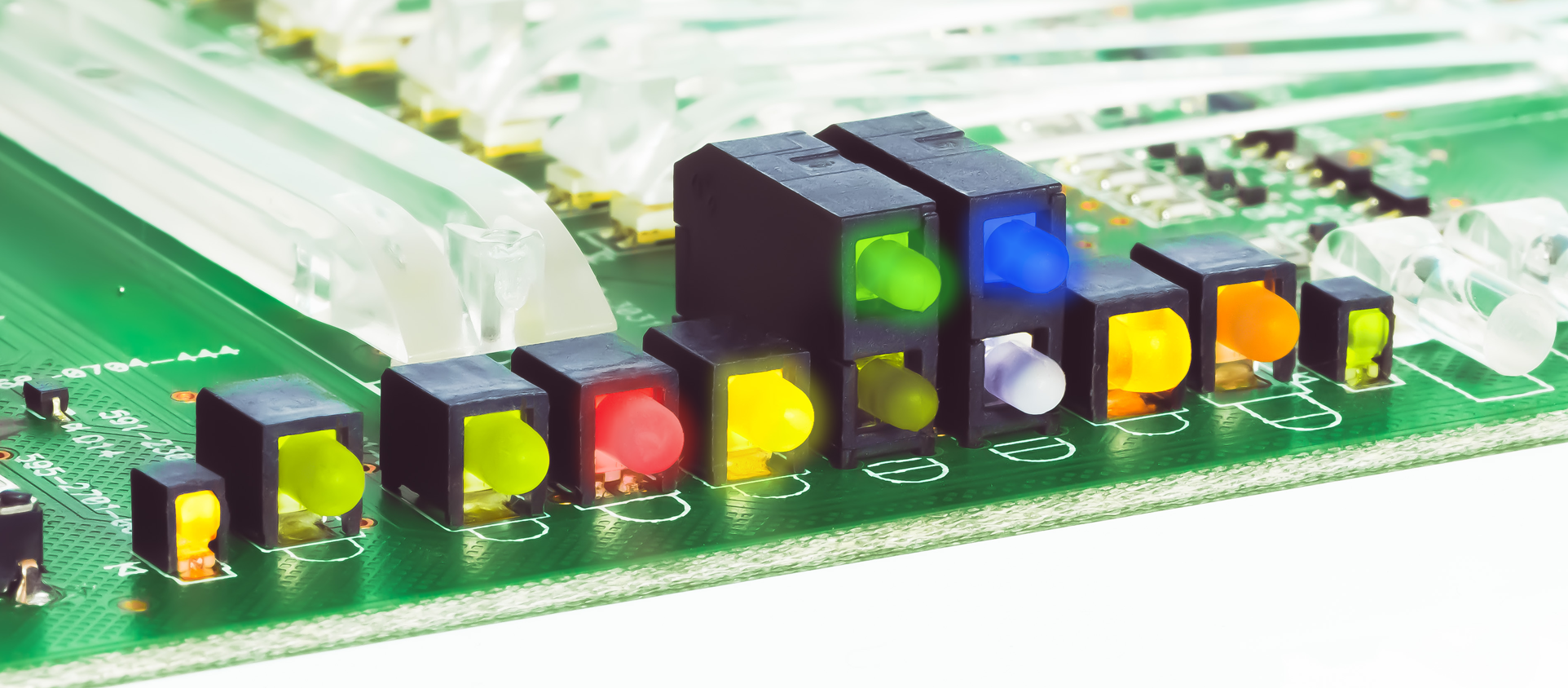
4
Key Characteristics
- Mounted directly on PCB surface
- Very small size
- Designed for automated assembly
Common Sizes
| Code | Size (mm approx) |
|---|---|
| 0603 | 1.6 × 0.8 |
| 0805 | 2.0 × 1.25 |
| 1206 | 3.2 × 1.6 |
| 3528 | 3.5 × 2.8 |
| 5050 | 5.0 × 5.0 |
Where They Are Used
- IoT devices
- Consumer electronics
- LED strips
- High-volume products
Advantages
- Compact (saves PCB space)
- Fully automated assembly
- Lower production cost at scale
- Better for modern designs
Limitations
- Hard to handle manually
- Repair/replacement is difficult
- Requires proper PCB design
2. Shapes & Physical Form Factors
LEDs are not just round or square. Shape affects usability.
Common Shapes
- Round (THT) → panel indicators
- Flat-top → diffused light
- Rectangular SMD → PCB indicators
- Side-view LEDs → edge lighting
- High-power LEDs → heat sink mounting
Practical Insight
- Diffused LEDs → softer light (better for indicators)
- Clear LEDs → sharper, more directional
3. Power Consumption & Electrical Behavior
Typical Current
Most indicator LEDs operate at:
- 5mA to 20mA
Voltage Recap
| Color | Voltage |
|---|---|
| Red | ~2V |
| Green | ~2.2V |
| Blue | ~3.2V |
Power Formula (Practical Use)
Power ≈ Voltage × Current
Example:
- Red LED: 2V × 10mA = 20mW
- Blue LED: 3.2V × 10mA = 32mW
👉 Blue consumes ~50% more power at same current.
IoT Impact
In battery devices:
- Always-on LED = major drain
- Blinking LED = optimized usage
Design trick: Reduce current (e.g., 2–5mA) instead of full brightness.
4. Brightness vs Consumption Trade-Off
Brightness depends on:
- Current
- Efficiency of LED
Key Reality
- Doubling current ≠ doubling useful brightness
- Human eye perception is non-linear
👉 Smart design uses lower current + good diffusion
5. Cost Comparison (Real-World View)
Component-Level Cost (Approx Trends)
| Type | Cost |
|---|---|
| THT LED | Low |
| SMD LED | Very low (in bulk) |
| RGB LED | Higher |
| High-power LED | Much higher |
But Real Cost = Total System Cost
| Factor | Impact |
|---|---|
| Assembly | SMD cheaper at scale |
| PCB space | Smaller = cheaper board |
| Power usage | Affects battery & design |
| Failure rate | Impacts warranty cost |
Key Insight
- THT may look cheap, but increases assembly cost
- SMD reduces cost in mass production
6. SMD vs Through-Hole: Practical Comparison
| Parameter | Through-Hole | SMD |
|---|---|---|
| Assembly | Manual / wave | Automated |
| Size | Large | Compact |
| Cost (small qty) | Low | Medium |
| Cost (mass production) | Higher | Lower |
| Repair | Easy | Difficult |
| Strength | Strong | Moderate |
7. LED Selection in IoT Devices
What Engineers Actually Consider
1. Power Budget
Battery device → low current LED
2. PCB Space
Compact product → SMD only
3. Visibility
Indoor vs outdoor usage
4. Cost per Unit
Scaled across thousands
5. Manufacturing Process
Manual vs automated assembly
8. Example: Real Design Decision
Case: Smart IoT Sensor
Requirements:
- Small size
- Battery powered
- Low cost
Best Choice
- SMD LED (0603 or 0805)
- Red or green
- Low current (2–5mA)
Case: Industrial Panel Device
Requirements:
- High visibility
- Easy replacement
Best Choice
- Through-hole 5mm LED
- Diffused lens
- Higher brightness
9. Common Mistakes in LED Selection
- Using high-power LEDs for simple indicators
- Choosing blue LEDs unnecessarily
- Ignoring assembly cost
- Overdesigning with RGB LEDs
- Running LEDs at full current always
10. Future Trends
- Smaller SMD LEDs (0402 and below)
- Smart RGB indicators (UX-driven devices)
- Ultra-low power LEDs for IoT
- Integration with light pipes (for better design aesthetics)
Key Takeaways
- SMD LEDs dominate modern electronics due to size and cost efficiency
- Through-hole LEDs are still useful for visibility and durability
- Red LEDs are widely used because of low voltage and power
- Blue LEDs consume more power and cost more
- LED selection impacts design, cost, and user experience
FAQs
What is the difference between SMD and through-hole LEDs?
SMD LEDs are mounted on PCB surfaces, while through-hole LEDs are inserted into holes and soldered.
Which LED type is cheaper?
SMD LEDs are cheaper in large-scale production.
Why are SMD LEDs used in IoT devices?
They save space, reduce cost, and support automated manufacturing.
Do LED sizes affect performance?
Yes, size impacts brightness, heat handling, and power usage.